



SHARE THIS ARTICLE
Lemon Bottle
Lemon Bottle vs Kybella – Comparing Fat Dissolving Products
Oct 27, 2025
When it comes to fat-dissolving injections, not all treatments are the same. Recent studies have shown that deoxycholic acid, the active ingredient in Kybella, is the most clinically proven solution for reducing submental fat (fat under the chin). However, other methods, such as enzymatic lipolysis and mesotherapy, have been less consistent in terms of both effectiveness and safety. This makes it even more critical for patients and healthcare providers to fully understand the ingredients, regulatory status, and clinical backing of these treatments.
Two popular products often compared in the fat-reduction conversation are Kybella and Lemon Bottle. While both target fat, they differ significantly in their composition, approval status, and clinical evidence. Kybella is an FDA-approved injectable containing synthetic deoxycholic acid that specifically targets submental fat. In contrast, Lemon Bottle is a multi-ingredient cosmetic solution used off-label for fat reduction across various areas of the body.
In this article, we’ll compare Lemon Bottle and Kybella on key factors like treatment scope, clinical evidence, safety, and downtime. This will help patients make a more informed decision about which option may be right for them.
Key Takeaways
- Lemon Bottle is a multi-ingredient injectable that promotes lipolysis and fat metabolism using riboflavin (Vitamin B₂), bromelain, and lecithin.
- It helps break down fat over time by enhancing the body’s natural fat-clearing processes, but may involve mild fat cell membrane disruption through lecithin.
- Kybella, containing synthetic deoxycholic acid (DCA), directly causes adipocytolysis by rupturing fat cell membranes, leading to fat cell death. The body then clears the fat through natural metabolic processes. It has FDA approval and provides predictable results with standardized dosing.
- Clinicians use Lemon Bottle for multiple treatment areas, but it lacks FDA approval and peer-reviewed clinical data. It offers flexibility in fat reduction but carries uncertainty due to limited clinical validation.
- Kybella is the clinically validated standard for submental fat reduction, with extensive safety data and FDA approval. It offers a targeted approach for specific areas, primarily under the chin.
- Lemon Bottle offers a lower downtime alternative, but its inflammation response can be more unpredictable than Kybella’s, which typically results in temporary swelling and tenderness.

About: Trusted by over 2,000+ global clients since 2014, Maylips has become a leading supplier of cosmetic, skincare, and orthopedic products for medical and aesthetic professionals. Maylips offers a wide range of authentic brand-name products at competitive wholesale prices, sourced from around the world. If you’re looking to buy Lemonbottle online, contact our sales team for guidance.
Mechanistic Differences Between Lemon Bottle’s Metabolic Lipolysis and Kybella’s Adipocytolysis
Lemon Bottle and Kybella are both injectable fat-dissolving products, but their mechanisms differ significantly. Lemon Bottle promotes accelerated lipolysis and metabolic fat clearance, using a blend of Riboflavin (Vitamin B₂), Bromelain, and Lecithin. These ingredients are believed to enhance the body’s natural fat metabolism over time.

However, Lemon Bottle’s Lecithin component (a source of PC) may contribute to the breakdown of fat cell membranes and lipid emulsification, providing the basis for its fat-dissolving action. This effect is a milder form of cytolysis compared to Kybella’s potent, direct action.
Meanwhile, Kybella delivers results through adipocytolysis, directly destroying fat cells. Its active ingredient, synthetic deoxycholic acid, ruptures the cell membrane, leading to the death of the targeted fat cells. The body’s lymphatic system then naturally clears away the cellular debris.
Composition and Regulation Contrast: Three Approaches to Injection Lipolysis
Non-surgical injectable fat-reduction treatments fall into distinct compositional and regulatory categories, each with a different mechanism and clinical support.
Synthetic Deoxycholic Acid (DCA) – The Regulated Standard
- Ingredients: A lab-produced form of deoxycholic acid, a naturally occurring bile acid.
- Mechanism: DCA is a cytolytic agent that directly disrupts fat cell membranes, leading to cell death (adipocytolysis). The body’s natural metabolic processes then clear the destroyed cell debris.
- Regulation: DCA is the active ingredient in FDA-approved injectables like Kybella. It offers standardized dosing, predictable outcomes, and regulated safety for treating submental fat.
Phosphatidylcholine Complex (PCDC) – The Compounded Blend
- Ingredients: Combines Phosphatidylcholine (PC) (a lipid emulsifier) with Deoxycholate (DC) (a bile salt).
- Mechanism: The deoxycholate component is primarily responsible for fat cell destruction through its detergent-like action. Phosphatidylcholine mainly stabilizes and solubilizes the mixture.
- Use & Regulation: Historically used in off-label formulations. Ingredient concentrations and overall formulation can vary widely across providers, making it less standardized than DCA-only products.
Vitamin and Enzyme Blend – The DCA-Free Alternative (Lemon Bottle)
- Ingredients: Contains Lecithin (a source of PC), Riboflavin (Vitamin B₂), and the enzyme Bromelain. Crucially, it does not contain Deoxycholic Acid (DCA).
- Mechanism: Marketed to promote accelerated lipolysis and metabolic clearance. It relies on the claimed synergistic action of its components (e.g., Lecithin’s emulsifying properties, Bromelain’s enzymatic action) to break down fat without the aggressive detergent effect of DCA.
- Regulation: This blend lacks FDA approval and validation by other major regulatory bodies. It is typically marketed as a cosmetic product with limited clinical evidence.
Comparative Results, Treatment Scope, Downtime, and Inflammation Profiles
Both Kybella and Lemon Bottle are designed for localized fat reduction, but their evidence base, approved indications, and inflammation profiles differ considerably. Visual materials, like Lemon Bottle skin booster before-and-after photos, offer anecdotal perspectives, yet formal clinical data remain limited for Lemon Bottle.
Treatment Scope
- Kybella: FDA-approved specifically for submental fat (under the chin).
- Lemon Bottle: Used off-label across multiple regions, including the abdomen, arms, thighs, and face.
Results and Downtime
- Kybella: Clinical trials have demonstrated visible fat reduction after 2–4 sessions. Common side effects include swelling, tenderness, and bruising lasting several days.
- Lemon Bottle: Marketed as a low-downtime alternative, though mild swelling, redness, or discomfort can still occur. Outcomes vary depending on injection technique and individual response.
Inflammation Profile
- Kybella: Expect inflammation as it is integral to its fat cell destruction mechanism.
- Lemon Bottle: The inflammatory response is less predictable, influenced by the patient’s metabolism, injection depth, and product composition.
While Kybella offers regulated, predictable results in a specific treatment zone, Lemon Bottle provides greater flexibility for broader use. Still, it lacks the peer-reviewed data and regulatory oversight seen with approved medical injectables.
Clinical Decision Factors: Patient Goals, Safety, and Jurisdictional Approval
Choosing between Lemon Bottle and Kybella depends on patient expectations, clinical safety standards, and legal approval within the region.
Key Considerations
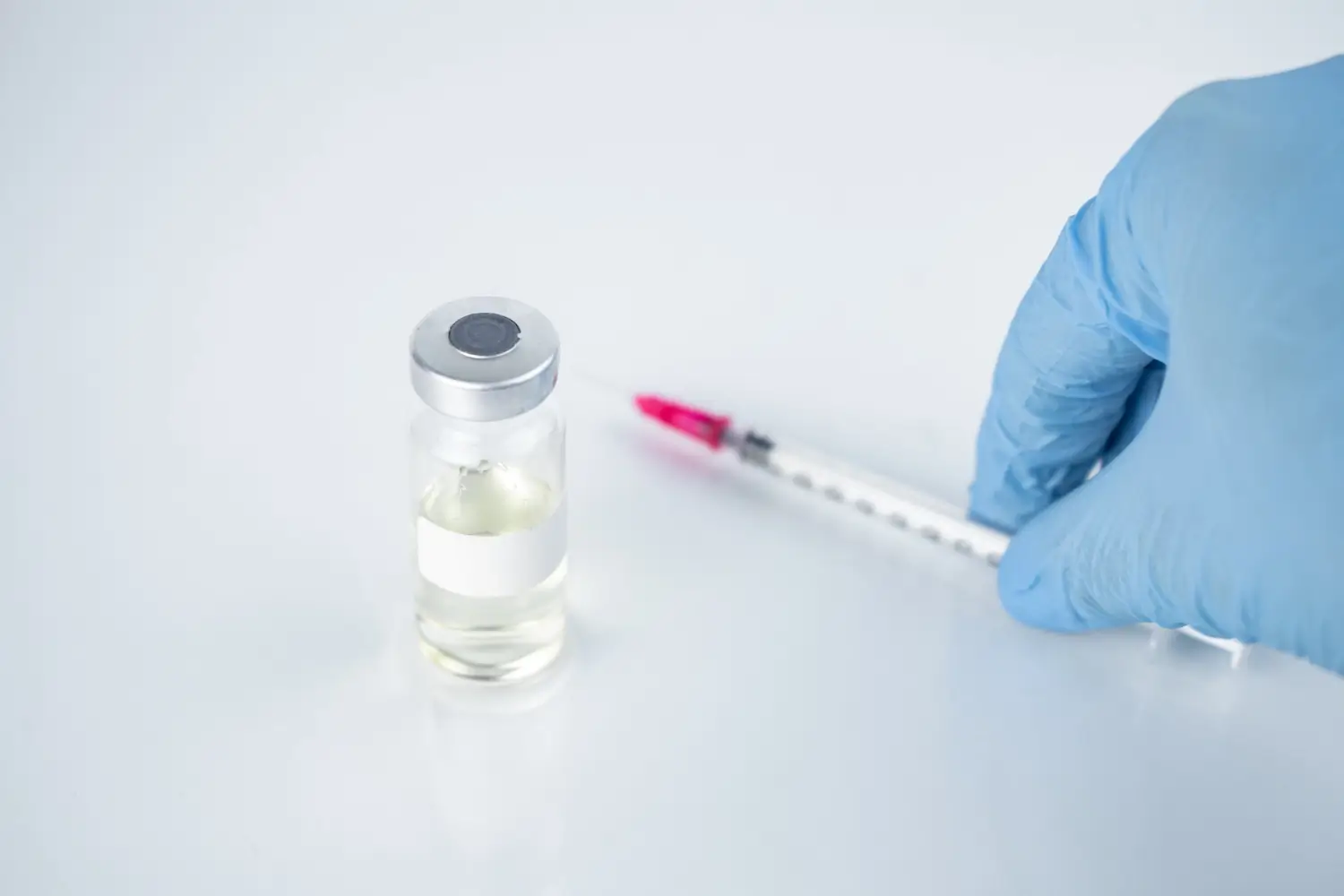
- Patient Goals: Kybella suits those seeking precise chin contouring, while Lemon Bottle may appeal to individuals with goals like broader body contouring with minimal downtime.
- Safety and Evidence: Peer-reviewed trials support Kybella’s efficacy and safety. On the other hand, Lemon Bottle relies primarily on practitioner experience and anecdotal outcomes, with limited clinical validation.
- Regulatory Approval: Kybella has FDA approval for submental fat reduction. Lemon Bottle is not FDA-approved, and its regulatory status remains limited in many regions. Several regulatory bodies, including Swissmedic and the UK’s General Pharmaceutical Council (GPhC), have issued public warnings regarding its unverified safety and composition, urging caution in its use.
- Provider Expertise: Both treatments demand skilled administration. Improper technique can result in uneven results, prolonged swelling, or tissue damage.
- Downtime and Expectations: Kybella often causes temporary swelling and tenderness, while Lemon Bottle is promoted as low-downtime but may still trigger mild inflammation.
Professional consultation with a qualified medical provider is essential before proceeding with any fat-dissolving treatmen
Conclusion
Both Lemon Bottle and Kybella aim to reduce localized fat deposits, but their mechanisms, regulatory approval, and clinical support differ sharply. Kybella stands as the clinically proven standard for submental fat reduction, backed by FDA approval and long-term safety data. Lemon Bottle, meanwhile, offers broader application flexibility but carries greater uncertainty due to its limited research and regulatory restrictions.
While Lemon Bottle may appeal to those preferring a natural, low-downtime option, Kybella’s proven record makes it the more reliable choice for targeted, medically guided fat reduction. Neither product substitutes for diet and exercise, but both can complement an existing regimen to enhance body contouring results safely and effectively.
FAQs
1. What is Lemon Bottle fat-dissolving treatment?
Lemon Bottle is an injectable cosmetic product marketed to reduce small fat pockets in areas such as the chin, abdomen, arms, and thighs. It is not FDA-approved and should only be used under professional supervision.
2. How does Lemon Bottle work?
It promotes lipolysis, aided by ingredients such as Riboflavin (Vitamin B₂), Bromelain, and Lecithin, which help break down and metabolize fat. Lecithin may also cause limited disruption of the fat cell membrane, though further research is needed.
3. What areas can be treated with Lemon Bottle?
Common zones include the chin, jowls, upper arms, abdomen, and thighs, targeting localized fat deposits for mild contour refinement.
4. What are the risks and side effects of Lemon Bottle?
Mild swelling, redness, or tenderness may occur at injection sites. Reports of uneven results or adverse reactions are mainly linked to unregulated use or improper technique.
5. Is Lemon Bottle approved and clinically proven?
No. Lemon Bottle is not FDA-approved and lacks peer-reviewed clinical trials. Several health authorities have issued safety advisories, emphasizing the need for professional assessment and caution before treatment.
References
Merchant D. Fat-Reducing Injections: Efficacy, Safety and Updated Scientific Evidence. ARC J Nutr Growth. 2025;11(1):10-12. doi:10.20431/2455-2550.1101002. https://www.arcjournals.org/pdfs/ajng/v11-i1/2.pdf
Using Fat-Dissolving injections that are not FDA approved can be harmful. U.S. Food And Drug Administration. Updated December 20, 2023. https://www.fda.gov/drugs/buying-using-medicine-safely/using-fat-dissolving-injections-are-not-fda-approved-can-be-harmful